Our charity concerts in 2026
For a New Sound in Riga
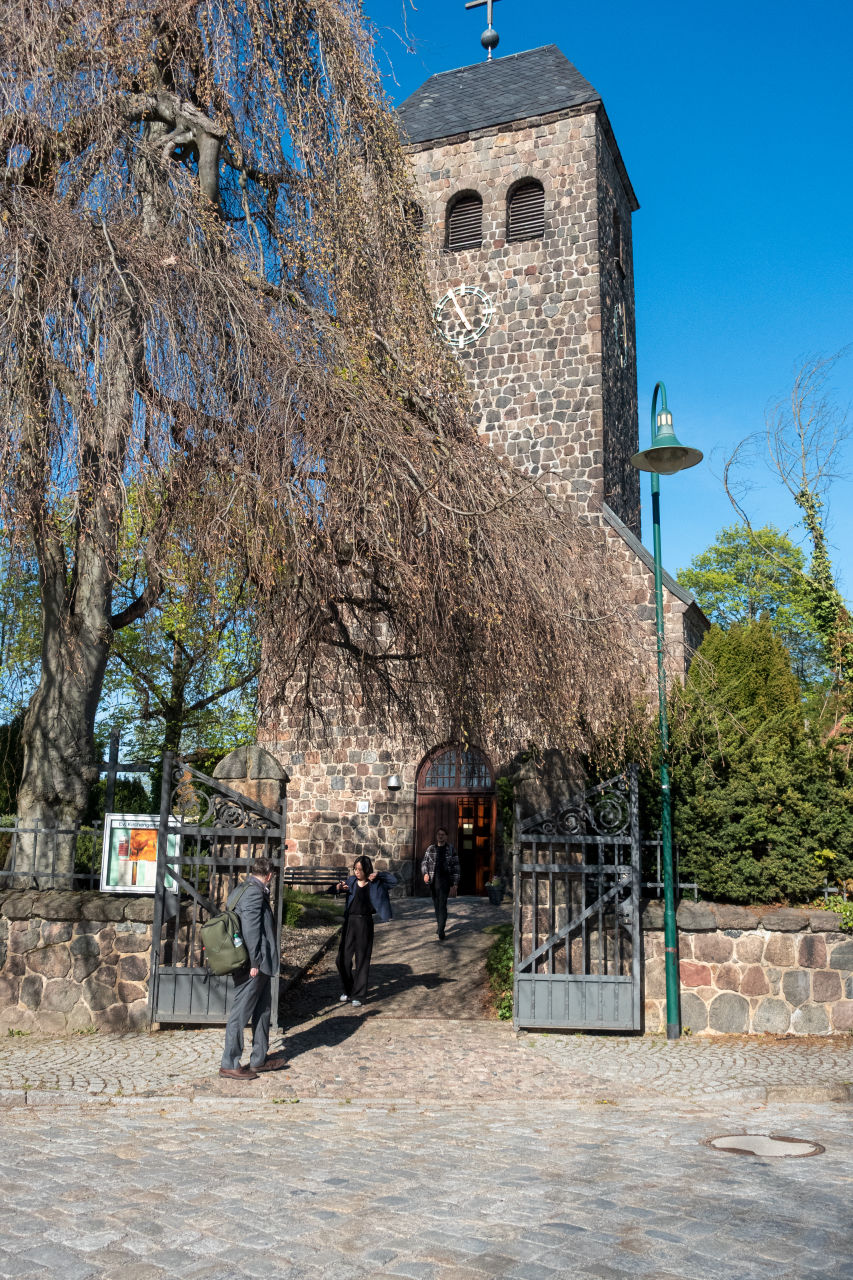
23.04. · Schönefeld Village Church
03.06. · Pankow Parish Church, Berlin
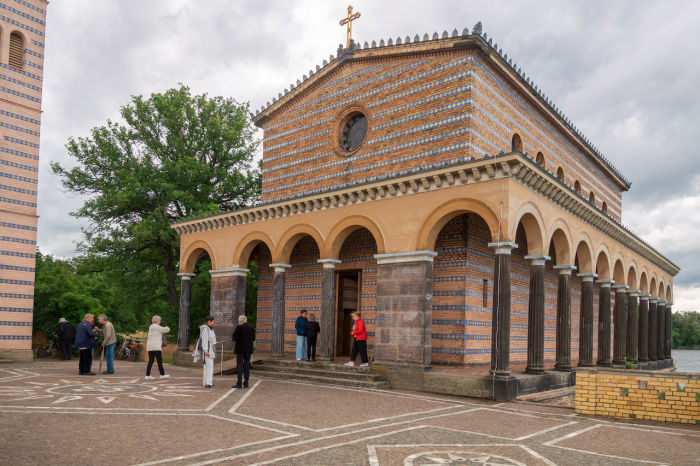
14.06. · Church of the Saviour, Sacrow
For a New Sound in Riga
23.04. · Schönefeld Village Church
03.06. · Pankow Parish Church, Berlin
14.06. · Church of the Saviour, Sacrow
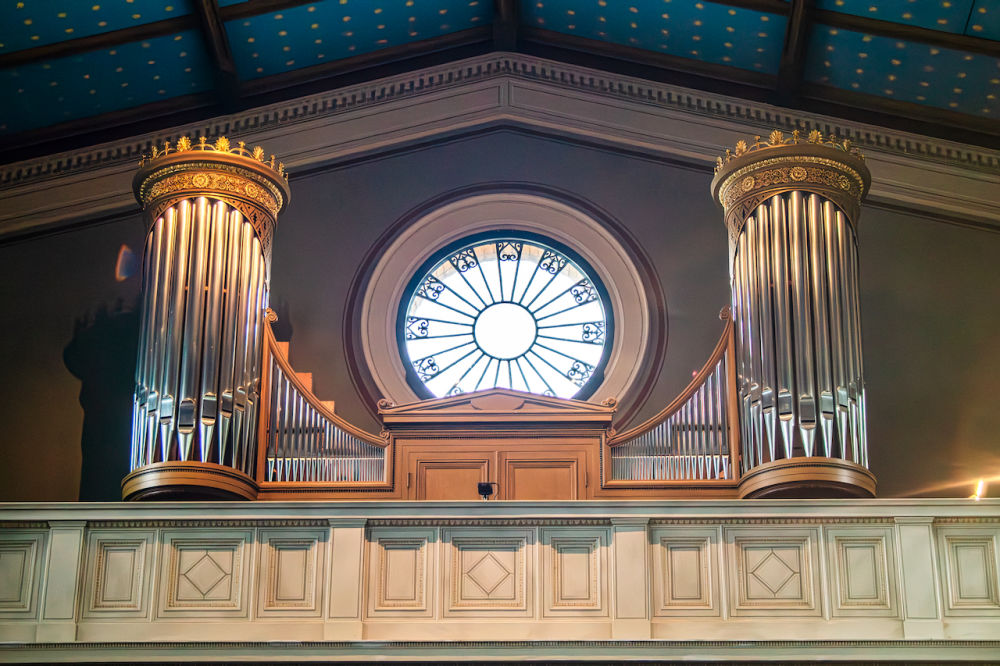
As explained on our website, the Förderverein Orgel Dom Riga e.V. is committed to ensuring that a new Baroque organ, modelled on that of Heinrich Andreas Contius (1708–1795), can be built in Riga Cathedral. Conceived as a ‘Bach organ’, it is intended to serve as a Baroque counterpart to the famous Romantic Walcker organ – and to enrich Riga with yet another authentic sonic world. This instrument is intended to be more than just a new build: it is to be a distinct Baroque sonic centre – transparent, vibrant and stylistically convincing, built with modern precision and closely modelled on historical examples.
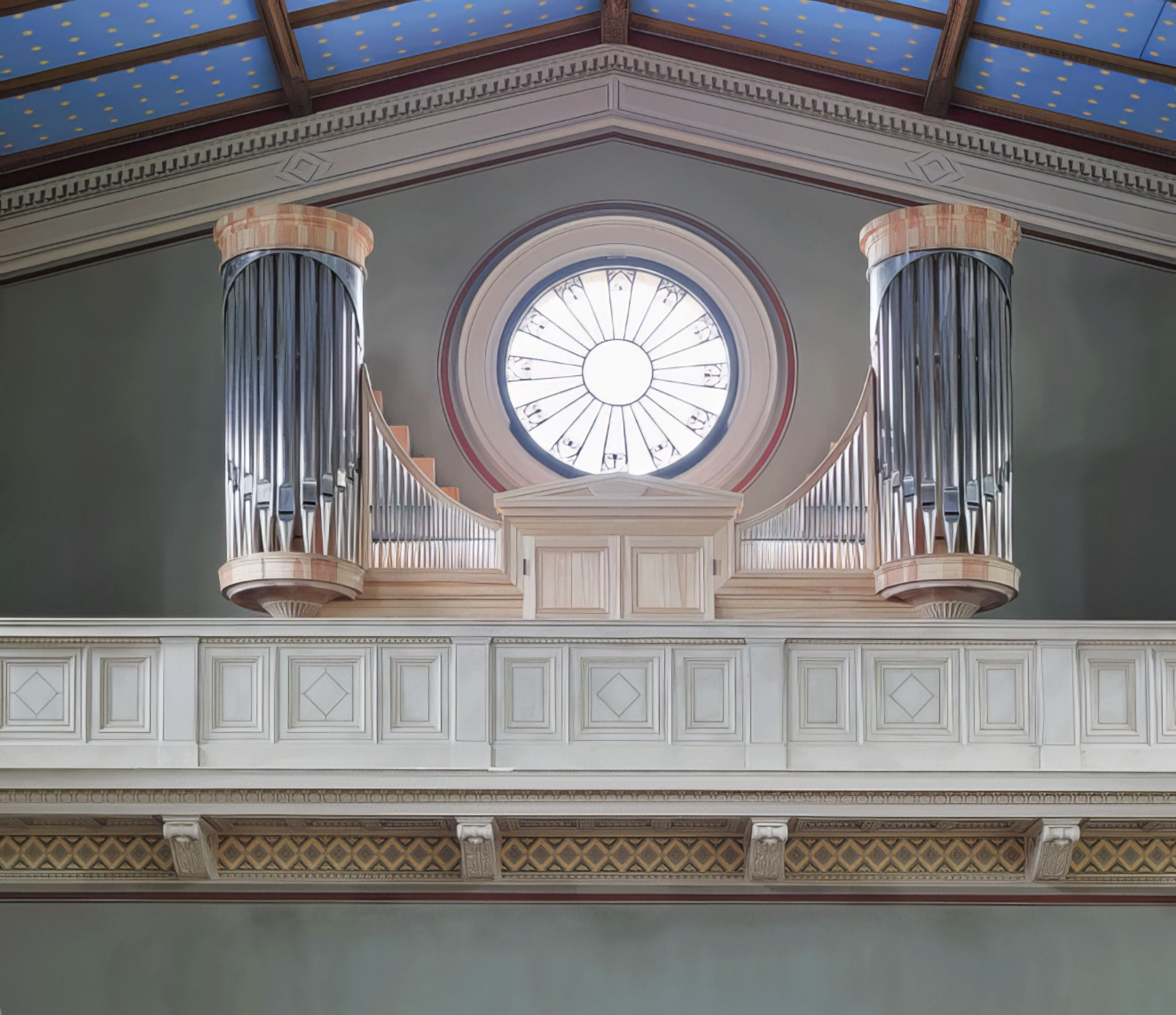
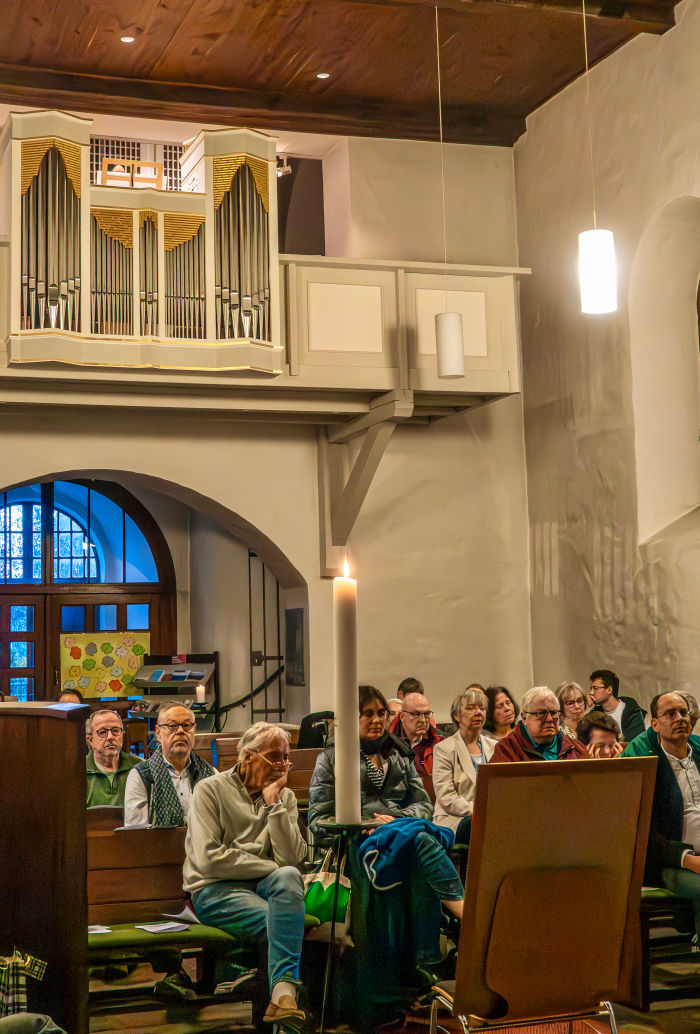
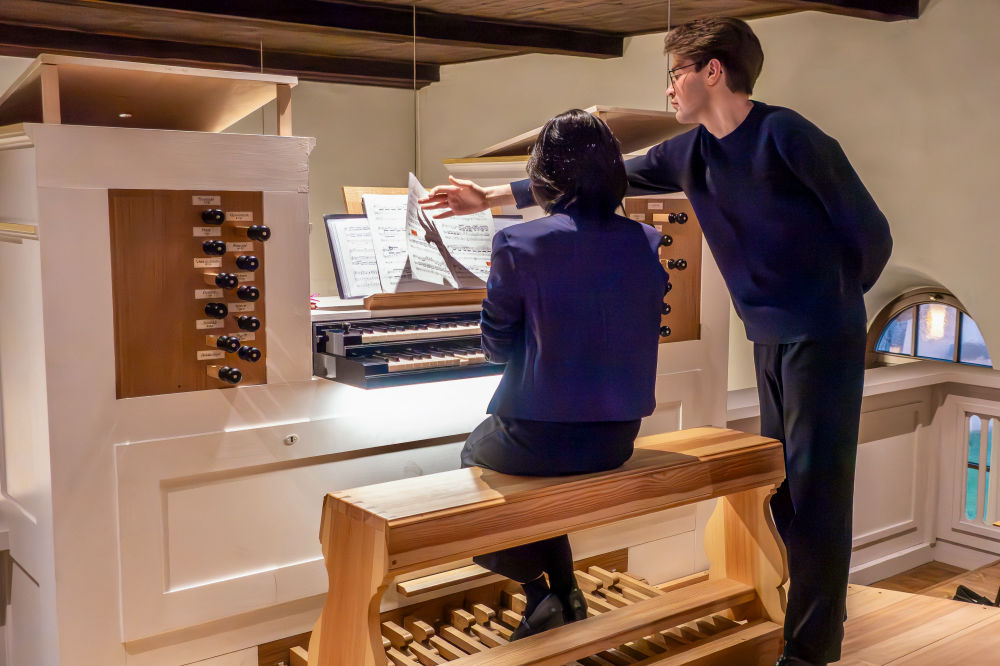
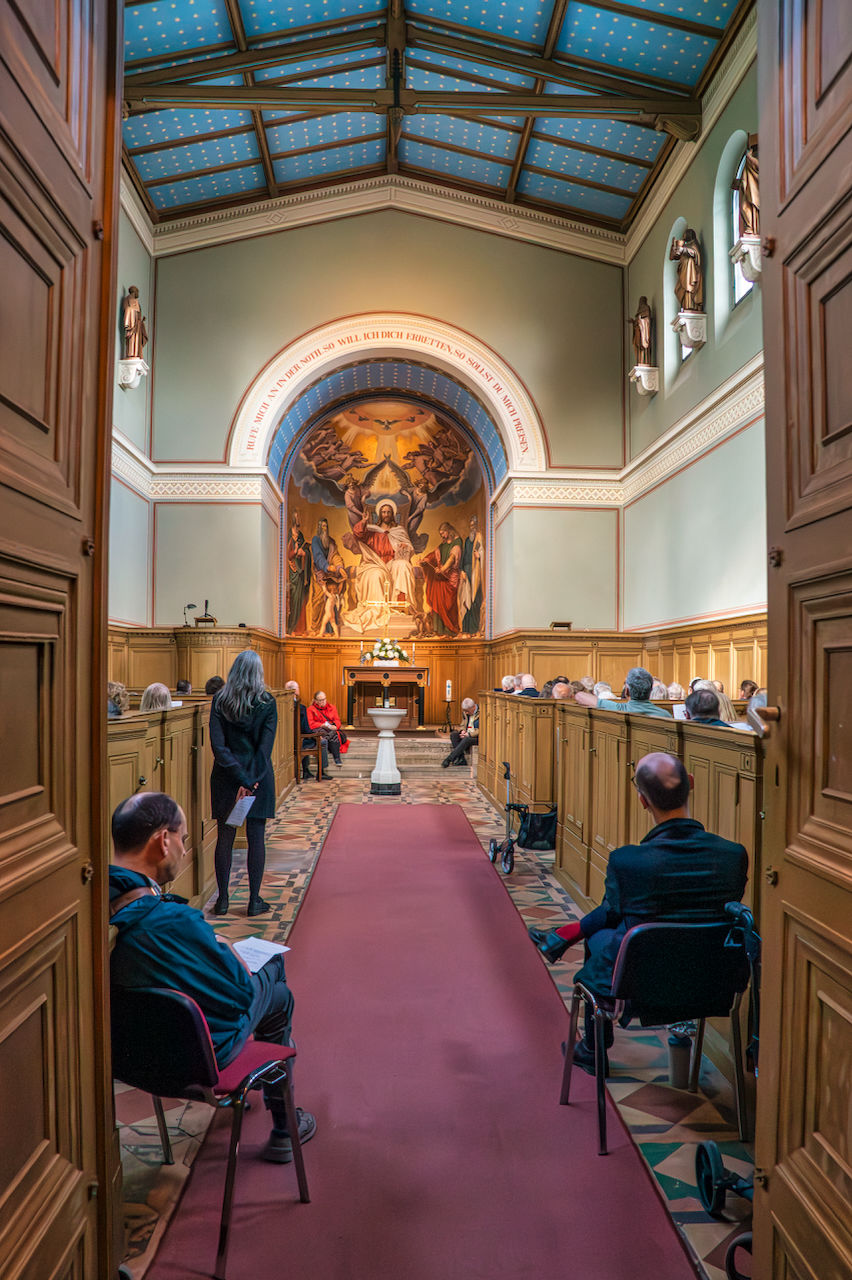
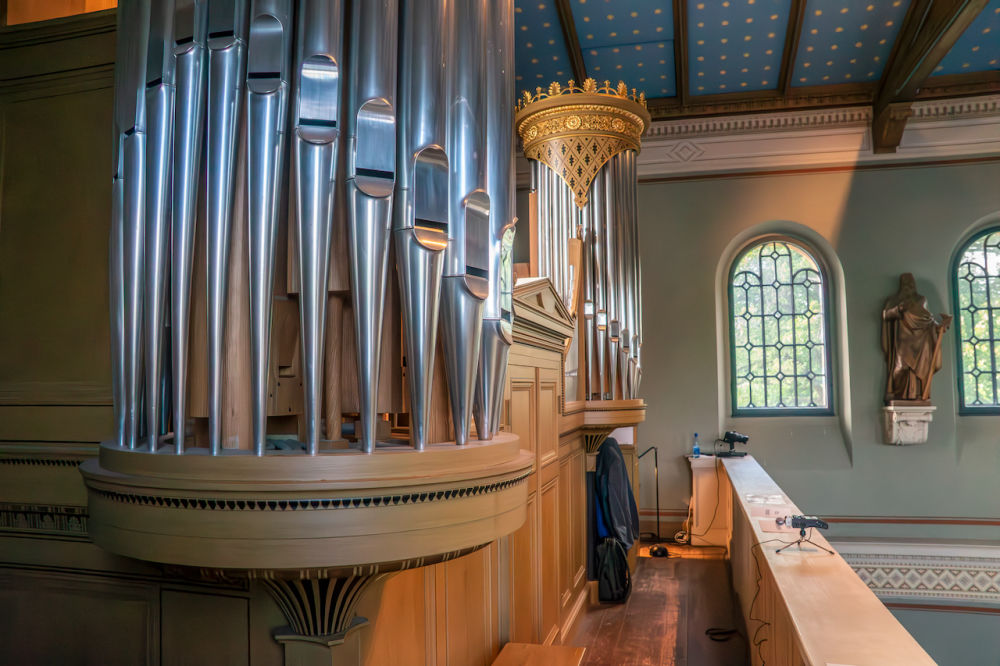
That is why, in the spring/summer of 2026, the Friends’ Association organised three charity concerts in churches featuring organs from Kristian Wegscheider’s Dresden workshop. The venues were chosen deliberately: here we were able to experience how the sound of a meticulously crafted organ fills a space, whilst also gaining an insight into the high standards with which the project at Riga Cathedral is progressing.
The concert series combined masterful performance with a personal approach to the instrument: renowned organists performed alongside dedicated students from the Berlin University of the Arts (UdK) and many other artists. In this way, experience met fresh curiosity, and the audience experienced the organ as a living concert instrument, rather than a distant ‘monument’.
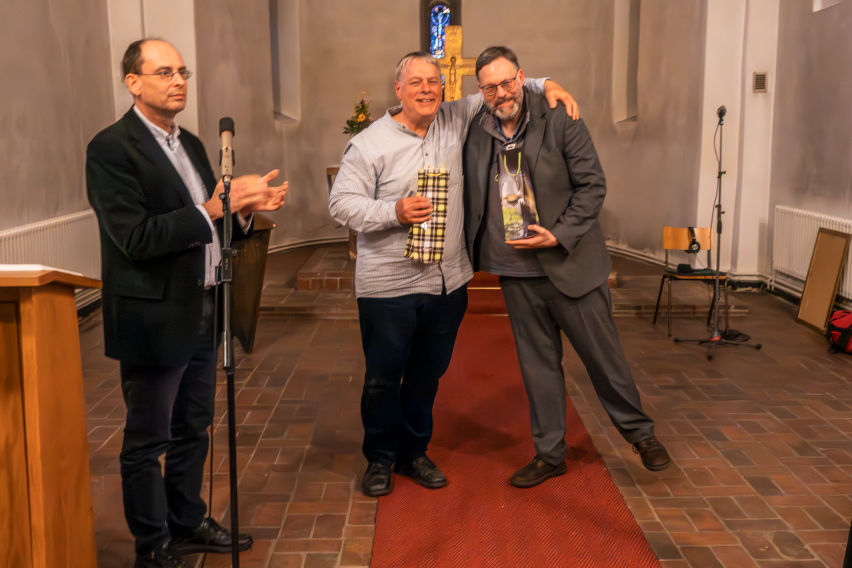
1. Conzert: 23 April 2026 · Feldsteinkirche Schönefeld

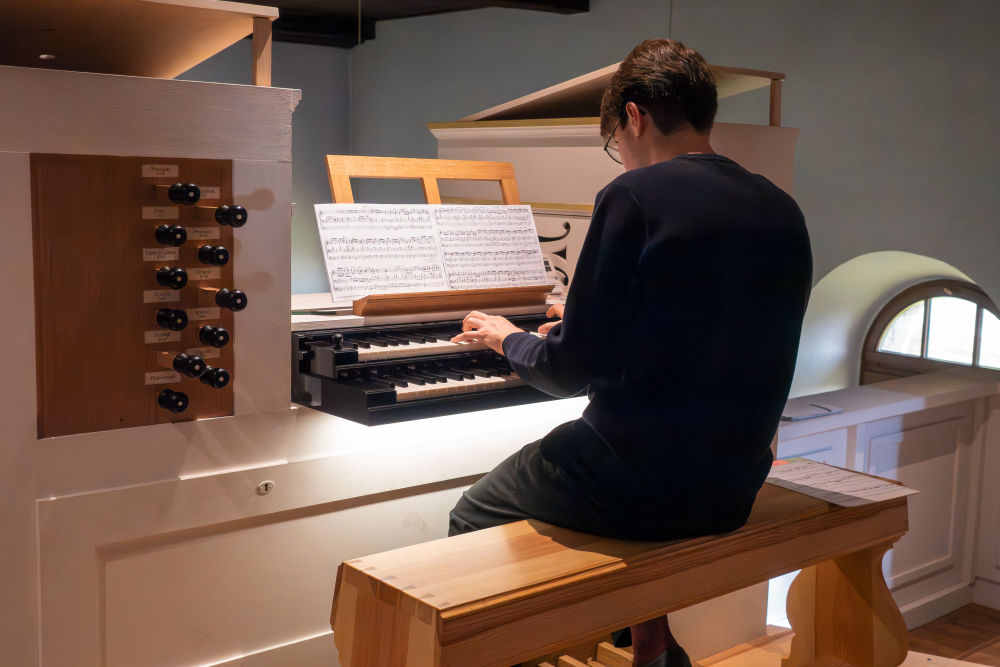
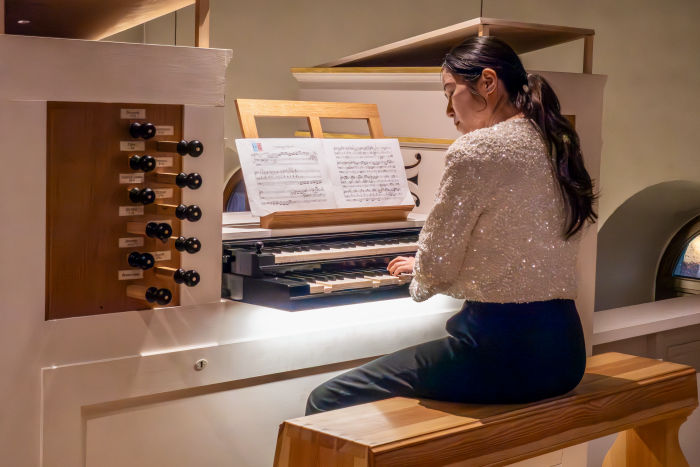
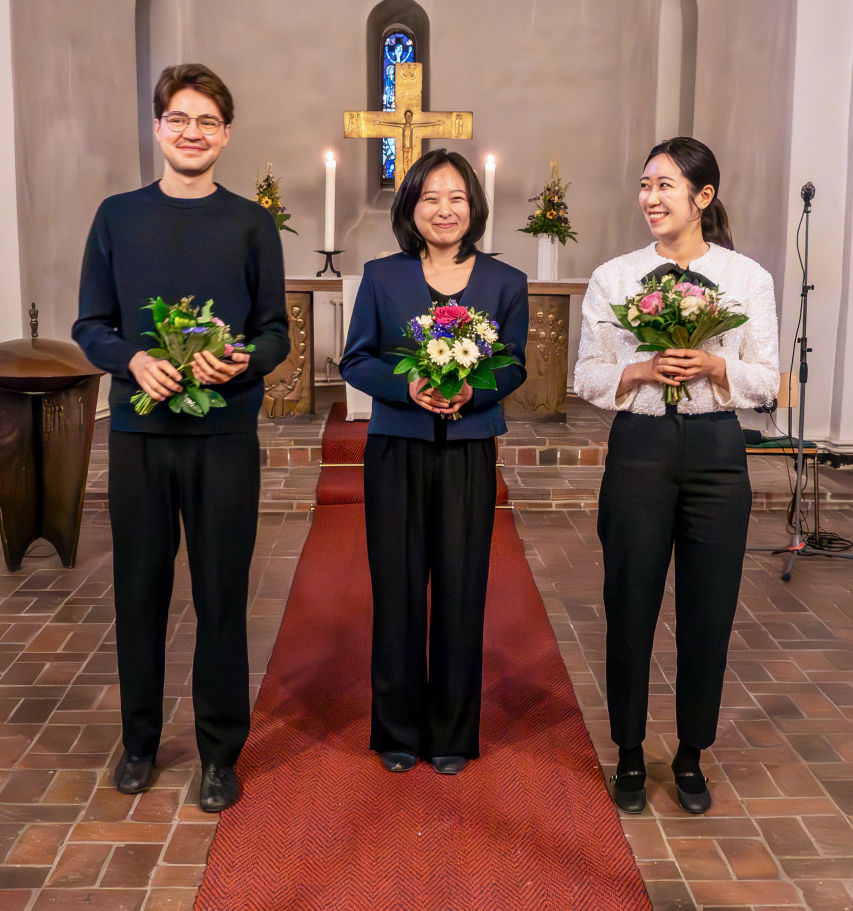
Having completed her Bachelor’s degree in Korea, Heena Lee is currently studying organ on a Master’s programme at the Berlin University of the Arts under Prof. Henry Fairs. Since her debut concert in Seoul in 2024, she has performed regularly in Korea and Germany. She is continually expanding her repertoire through international masterclasses. She is particularly keen to bring comfort and warmth to people through her music.
born in 2001; South Korea
Aleksandr Volkov is studying the organ at the Berlin University of the Arts in the class of Prof. Henry Fairs, alongside harpsichord studies with Avinoam Shalev. The multi-award-winning musician performs as a soloist and cantata organist in several European countries. His artistic work is characterised by stylistic openness and a keen musical curiosity.
born in 2003; Glasov, Russia
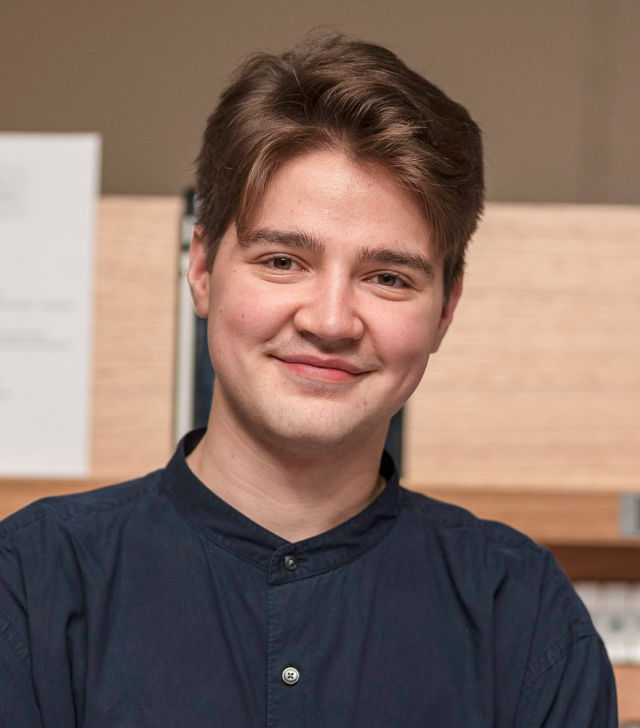

Hanna Cho studied the organ in South Korea and went on to complete a Master’s degree at the Lübeck University of Music. She is currently preparing for her concert examination at the Berlin University of the Arts under Prof. Henry Fairs. At the 17th International Gottfried Silbermann Organ Competition, she was awarded the Audience Prize. The Baroque and North German organ repertoires are particularly close to her heart.
Age: 29; South Korea
The programme:
H e e n a L e e:
Felix Mendelssohn Bartholdy (1809-1847)
– Orgelsonate Nr. 1, op. 65
Robert Schumann (1810-1856)
– aus: 6 Studien in kanonischer Form, op. 56, Nr. 4 Innig
A l e k s a n d r V o l k o v:
Johann Sebastian Bach
– Adagio d-Moll, Bearbeitung nach dem 1. Satz der Sonate für Violine solo g-Moll BWV
– Fuge d-Moll BWV 539/2 nach dem 2. Satz (Allegro)
H a n n a C h o:
Johann Sebastian Bach
– Präludium und Fuge; E-Dur; BWV 566
Dieterich Buxtehude
– Präludium ex g, BuxWV 148
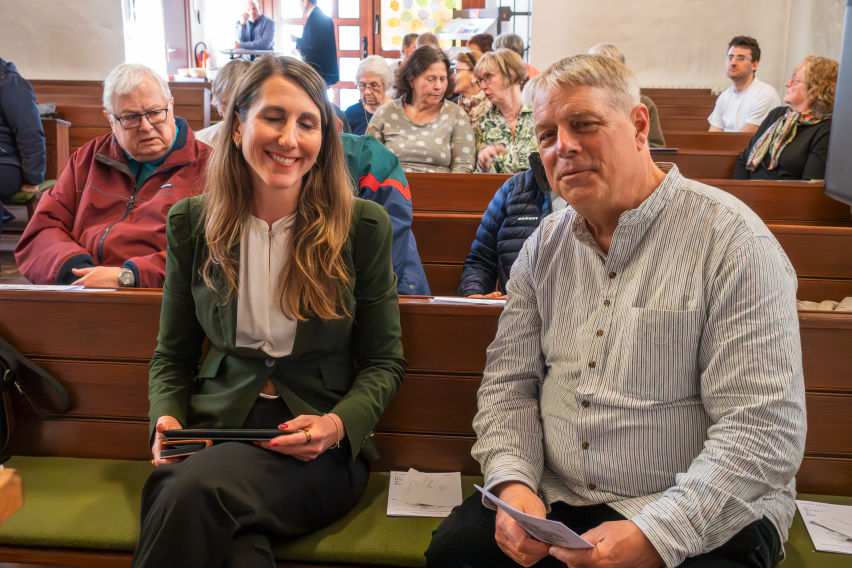
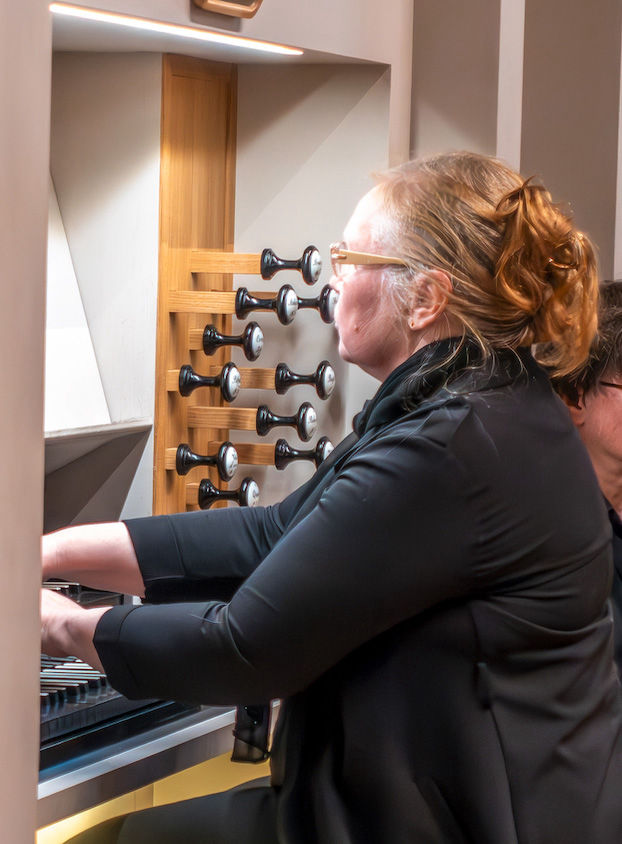
Rudīte Livmane studied piano, organ and school music at the Riga Academy of Music, as well as church music in Lübeck. She then specialised in early music and historical performance practice at the Bremen University of the Arts under Harald Vogel, Klaus Eichhorn and Hans-Ola Ericsson. From 2009, she conducted research in Riga into 18th- and 19th-century church music in Latvia.
Since 2007, she has served as cantor of the Evangelical Parish of Alt-Pankow in Berlin. There, she conducts the choir, the children’s choir and the ‘collegium instrumentale’, and organises a varied programme of concerts featuring oratorios, chamber music and international music projects. As an organist, she performs regularly both in Germany and abroad.
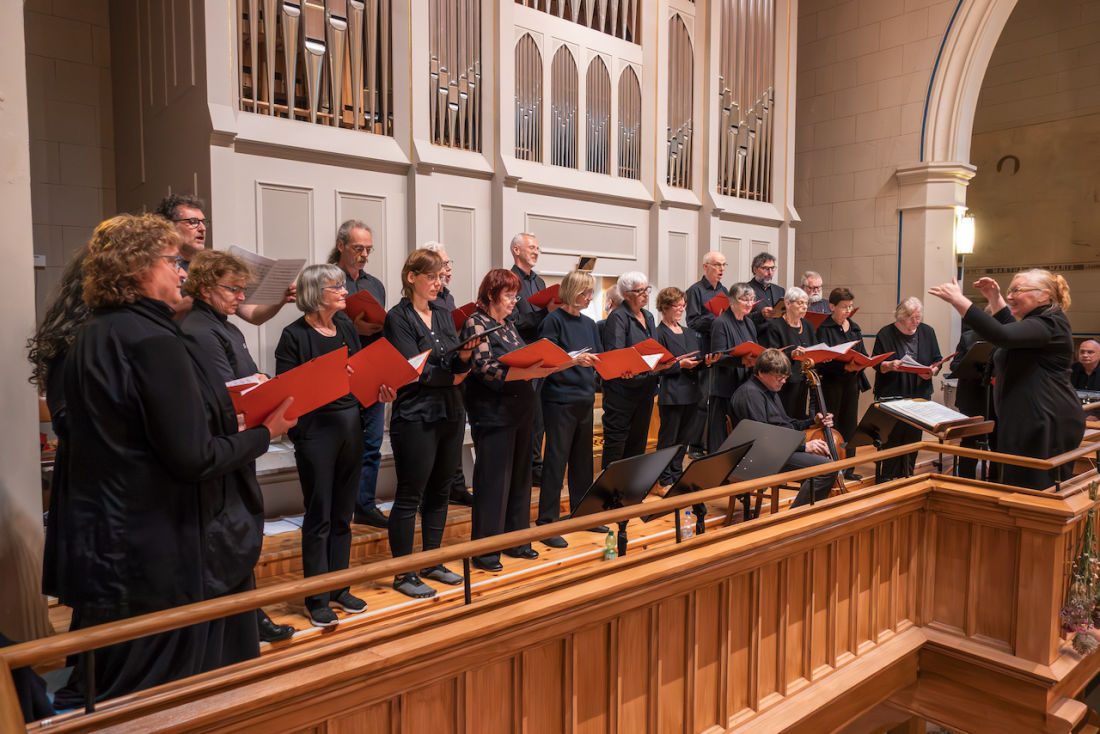
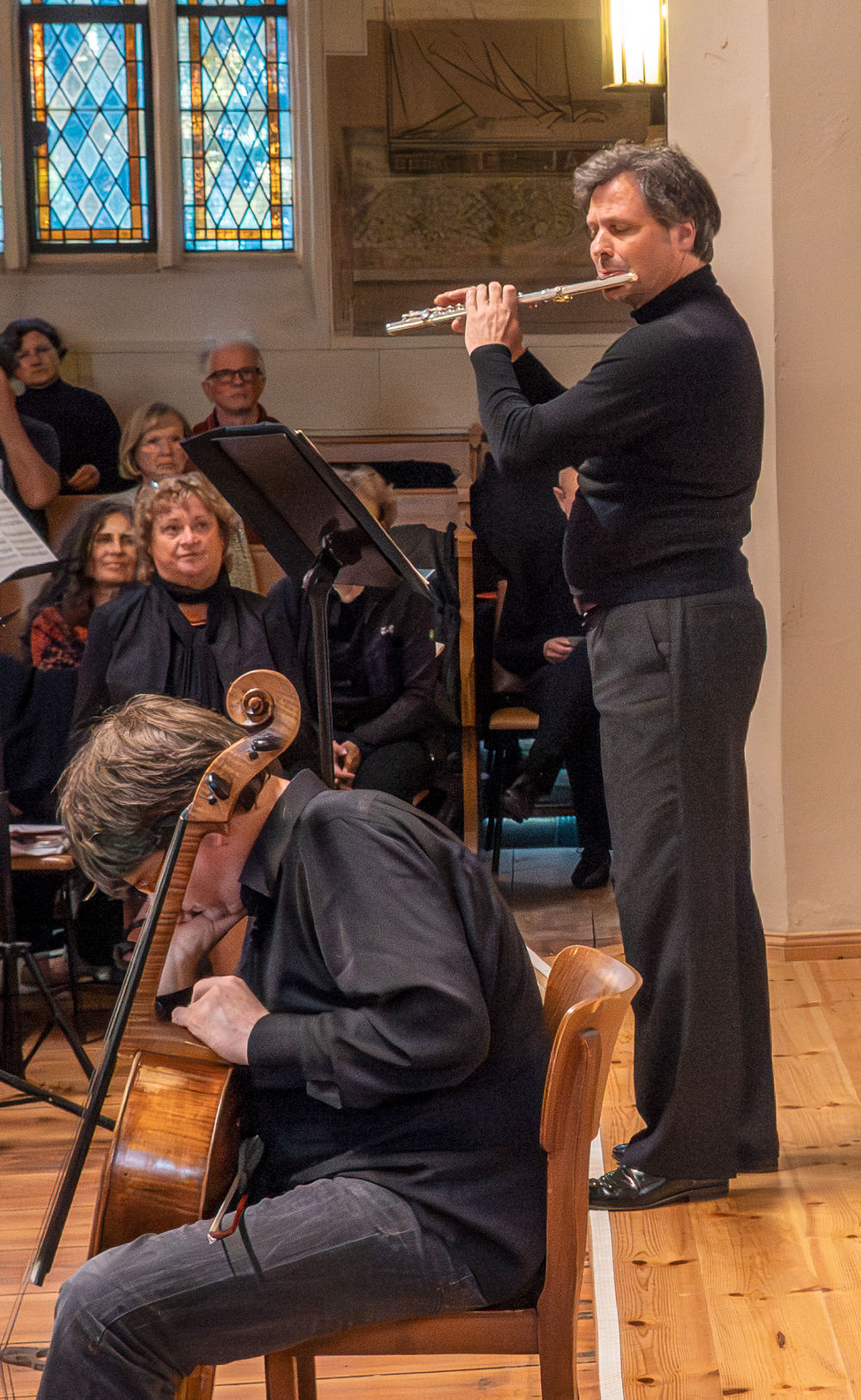
The programme:
Peteris Vasks (1946)
– Landscape with birds
Johann Gottfried Müthel (1728-1788)
– Sonate für Flöte und Basso continuo
– Polanaise für Flöte, zwei Violinen und Basso continuo
Improvisations on 2 Latvian folk songs:
– „Es izkulu kunga riju” ( Hab den Roggen ausgedroschen)
– „Krauklits sez ozola“ ( Sitz der Rab’ auf der Eich’)
Janis Medins (1890- 1966)
– Aria Agita Rando – Tango · Anna’s Song
Janis Ivanovs (1906-1983)
– 2. Satz aus dem Konzert für Cello und Orchester
Romualds Kalsons (1936-2024)
– Praeludium, Gloria aus der Messe(1990)
Rihards Dubra (1964)
drei geistliche Chorwerke
– O crux ave
– Miserere mei
– Allmächtiger Gott Psalm 25 (Text: Kerstin Krug)
Raimonds Tiguls (1972)
– „Dod, Dievini“ ( Gibt uns Gott); Text: Nora Ikstena
Georg Michael Telemann (1748-1831)
– Heilig ist Herr Zebaoth (...nach der Handschrift in der Universitäts- und Landesbibliothek Bonn)
_________________________
Performers:
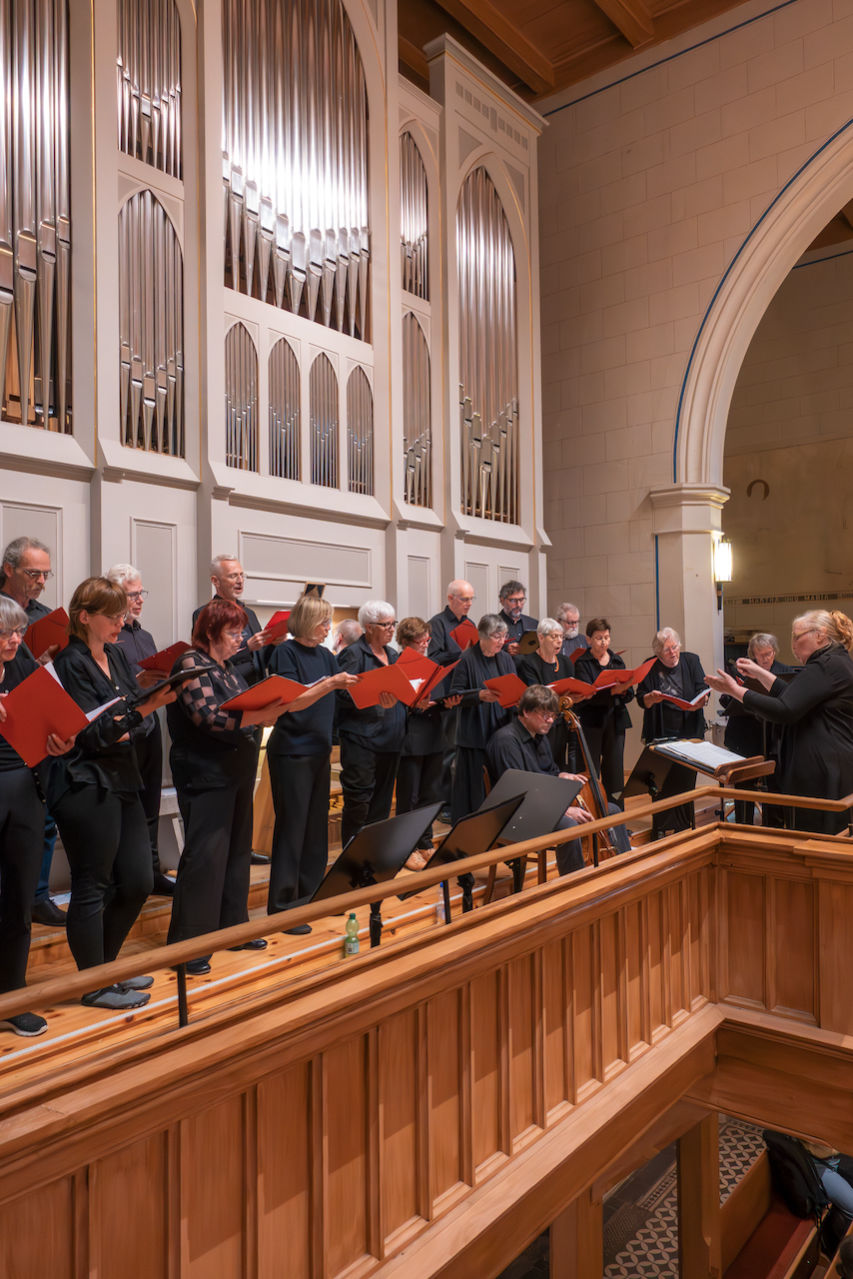
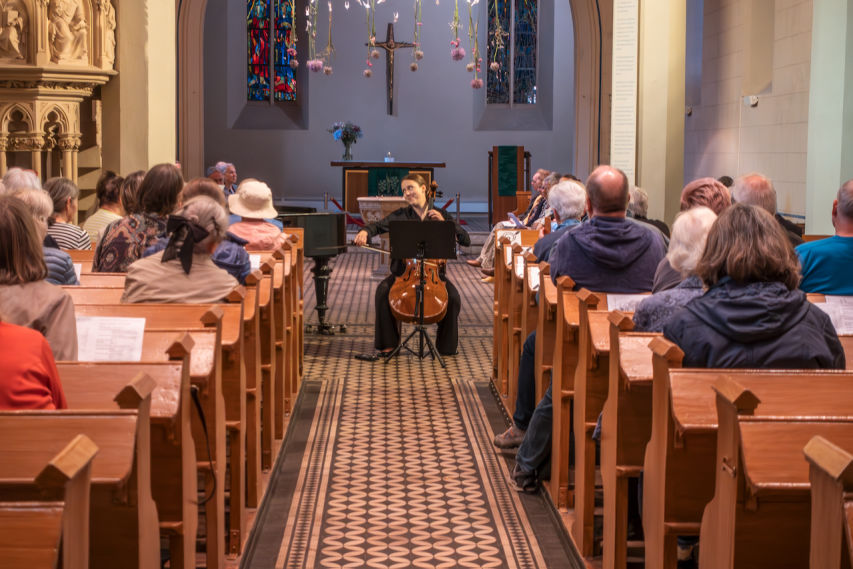
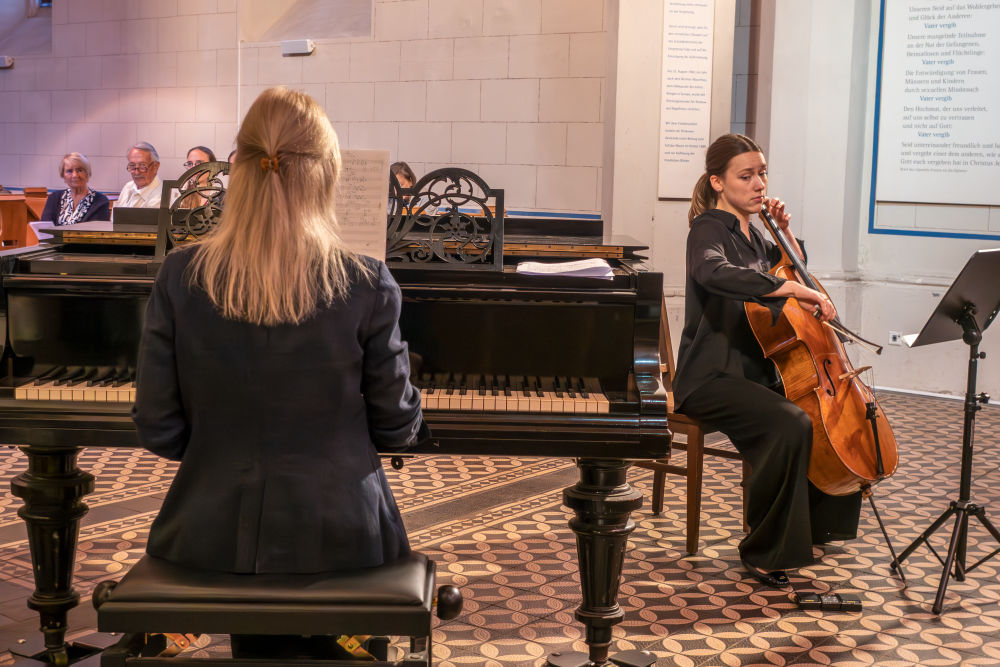
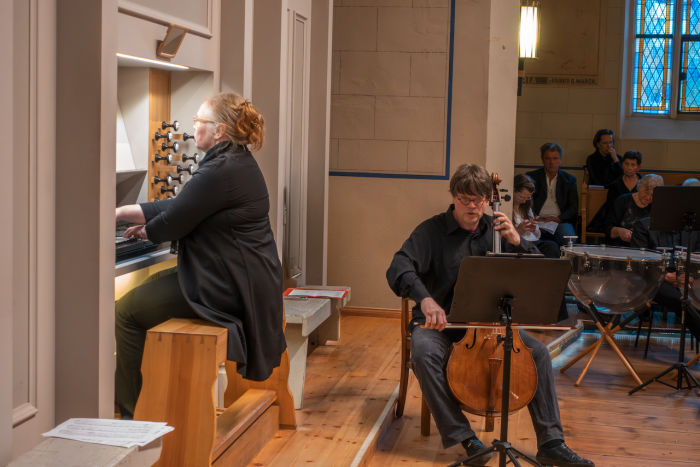
Anete Graudina, Gesang · Gerrit Fröhlich, Flöte · Susanne Henschel, Violine · Alke Seela, Violine · Jaqueline Wolff, Viola · Katrina Anna Rando, Violoncello · Uwe Hirth-Schmidt, Violoncello · Anna Vavilkina, Orgel · Matthias Wilke, Orgel · Agita Rando, Klavier ·. Johannes Hamann, Pauken · Bernhard Runge, Oboe · Projektchor Alt-Pankow und Mitglieder RIAS Kammerchor
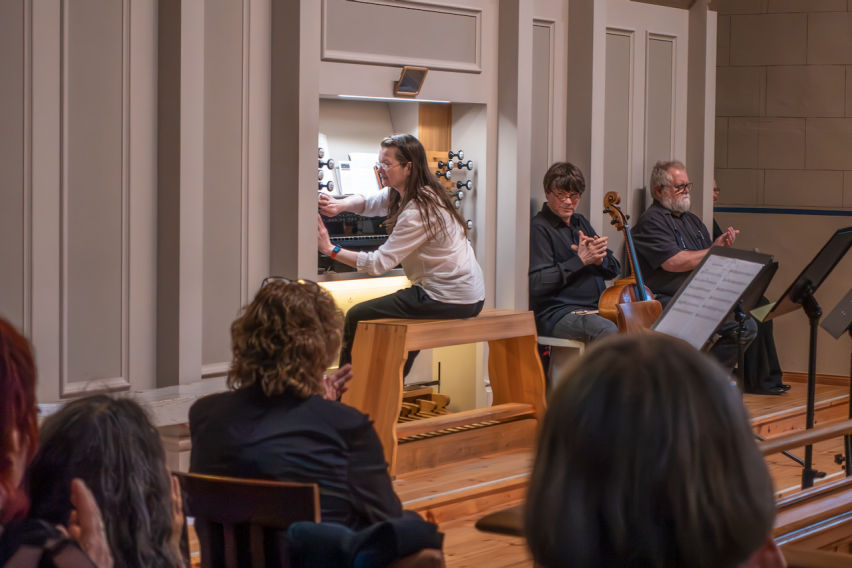
Dr. Rudite Livmane, Organisation, Conductor and Organ
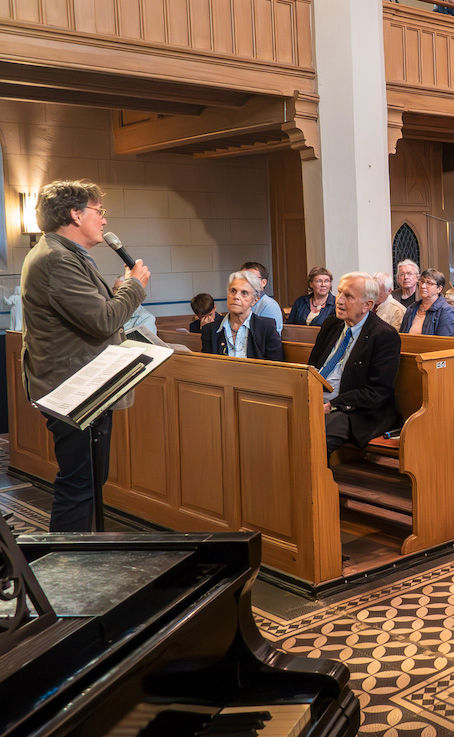
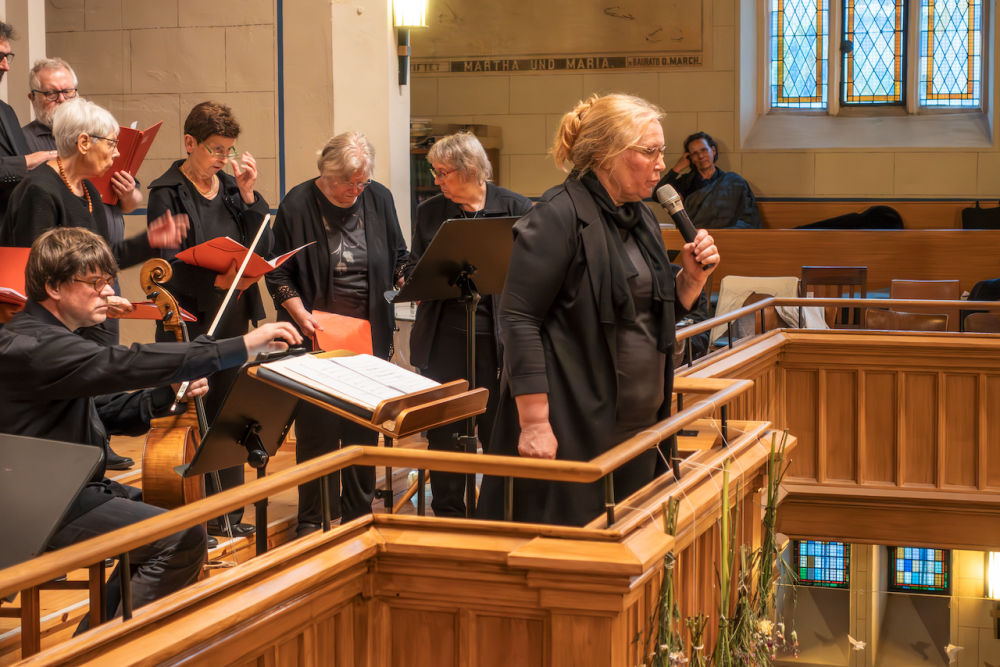
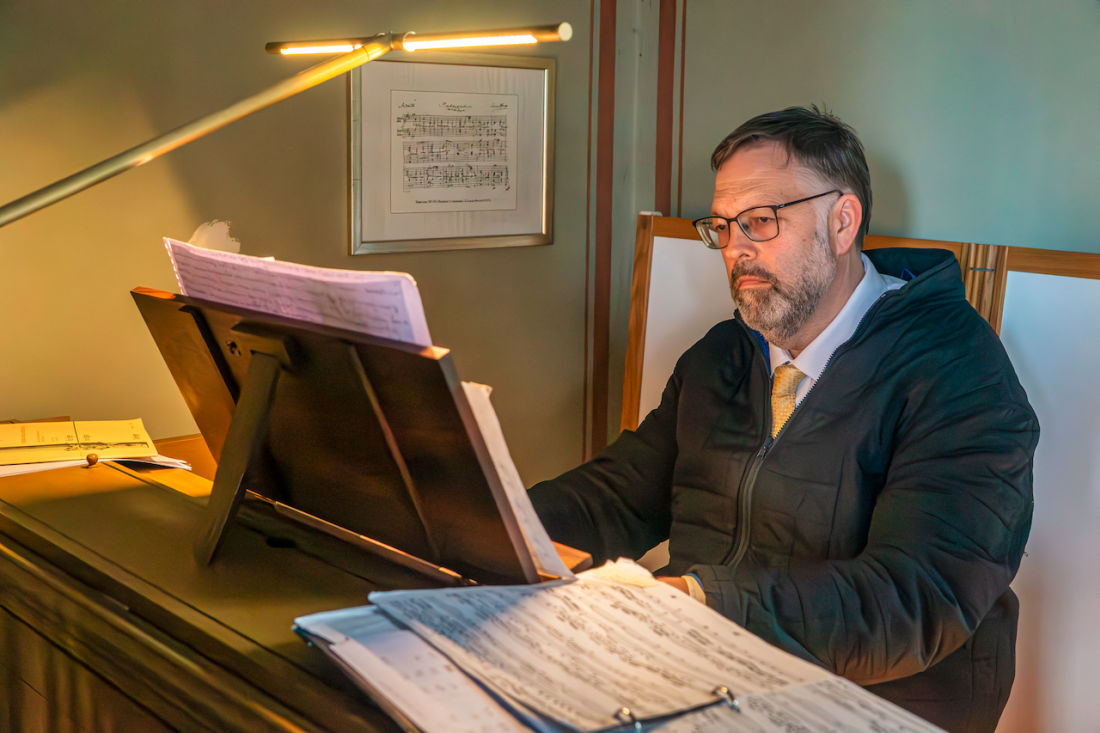
Prof. Henry Fairs (born 1976) is a British organist and, since the 2020/21 winter semester, has been Professor of Artistic Organ Performance at the Berlin University of the Arts (UdK). As a musician who performs internationally, he is equally at home on both historical and modern instruments and has won numerous awards at major organ competitions (including Odense, Chartres, St Albans and Paris).
In his organ class at the UdK, he combines stylistic openness with technical precision – many of his students have themselves already won prizes. The audience was treated to a high level of virtuosity whilst also gaining a direct insight into the instrument.
His programme:
Heinrich Scheidemann (1596 - 1753):
– Preambulum in G
Johann Sebastian Bach (1685 - 1750):
– Fantasia und Fuge c-Moll , BWV 537
Johann Gottfried Müthel (1728 - 1788):
– Fantasia in F
Johann Ulrich Steigleder (1593 - 1635):
– Vater Unser: „Die 40. und letzte Variation,
auf Toccata Manier, 4. Vocum.”
Girolamo Frescobaldi (1583 - 1643):
– Canzona Quarta (aus ”Il Libro di Toccate)
Carl Philipp Emanuel Bach (1714-1788):
– Fantasia und Fuge c-Moll
Johann Sebastian Bach:
– An Wasserflüssen Babylon, BWV 653
Georg Muffat (1653 - 1704):
– Toccata Septima (aus „Apparatus musico-organisticus” von 1690)
Swedbank AS, Latvijas Evaņgēliski Luteriskās Basnīcas Rīgas Doma Draudze • IBAN: LV19 HABA 0551 0065 1477 7 • BIC: HABALV22
German donation account for the project: Postbank • BIC: PBNKDEFF • Konto (IBAN): DE49 1001 0010 0896 3821 02
